

The Rise of Mobile Wallets: What It Means for Merchants
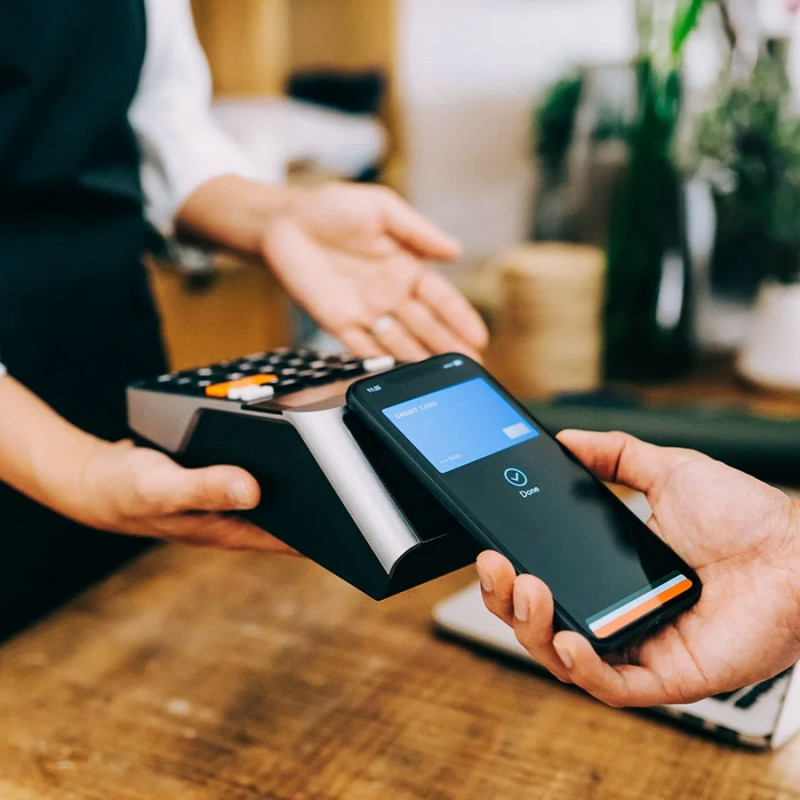
Mobile wallets have transitioned from a convenience feature to a standard form of payment. As consumers increasingly prioritize speed, security, and simplicity, merchants must adapt to meet these evolving expectations.
When a customer adds a card to a mobile wallet such as Apple Pay, Google Pay, or Samsung Pay, the card’s number is replaced with an EMV network token. This tokenization process protects sensitive data while enabling secure, contactless transactions through NFC technology. By eliminating the need to manually enter card details, mobile wallets streamline checkout, improve approval rates, and reduce cart abandonment.
This enhanced experience is a key reason adoption continues to grow. Consumers value the speed of tap-to-pay and the convenience of completing purchases with a single authentication step. Younger generations, particularly Generation Alpha, are growing up in a fully digital environment where seamless, instant transactions are the norm. For them, mobile wallet acceptance will be expected, not requested.
PolyPay has taken a leap ahead of the competition when it comes to adaptability. Through our wide range of solutions including standalone terminals, POS systems, and on-the-go payment solutions, we ensure that all our merchants are equipped with mobile wallet capabilities from the start. This gives our merchants peace of mind to securely accept any form of card payment and remain ahead of the curve on evolving industry standards.
Mobile wallets are no longer optional - they are foundational to modern commerce. Merchants who invest in NFC-enabled terminals, support tokenized transactions, and reduce friction across every touchpoint will be best positioned to meet the expectations of today’s customers and tomorrow’s digital-first generations.